Naturehike Cloud-Up Tent Review: 14 Trips and Still Standing
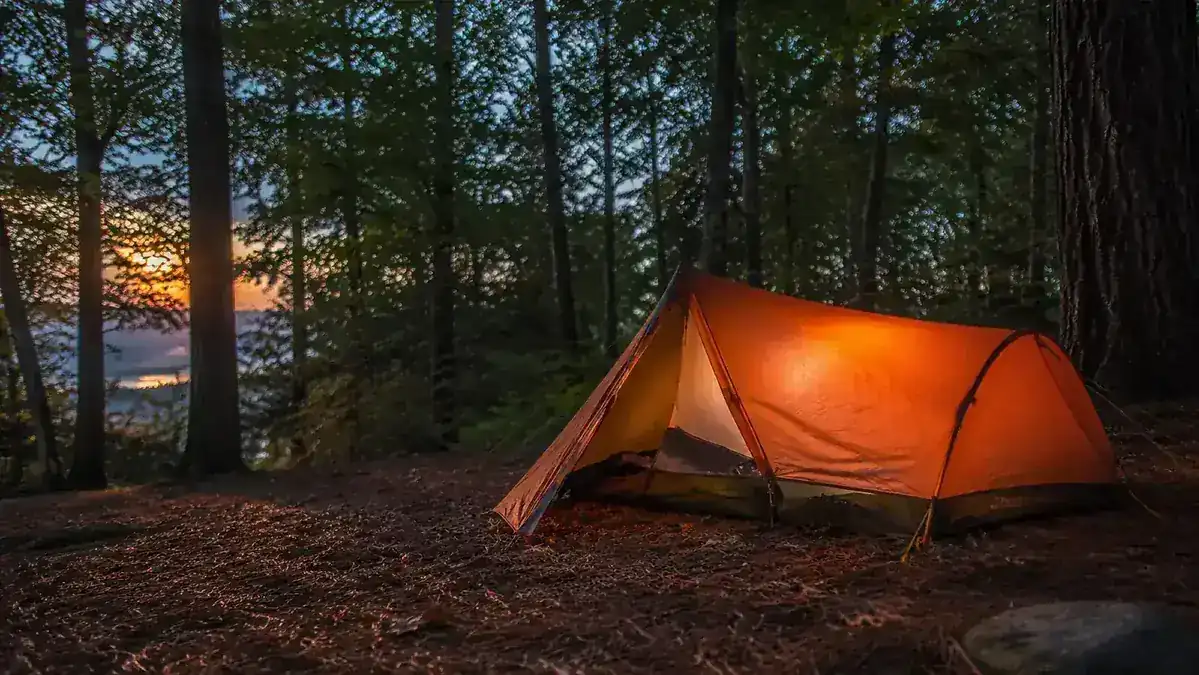
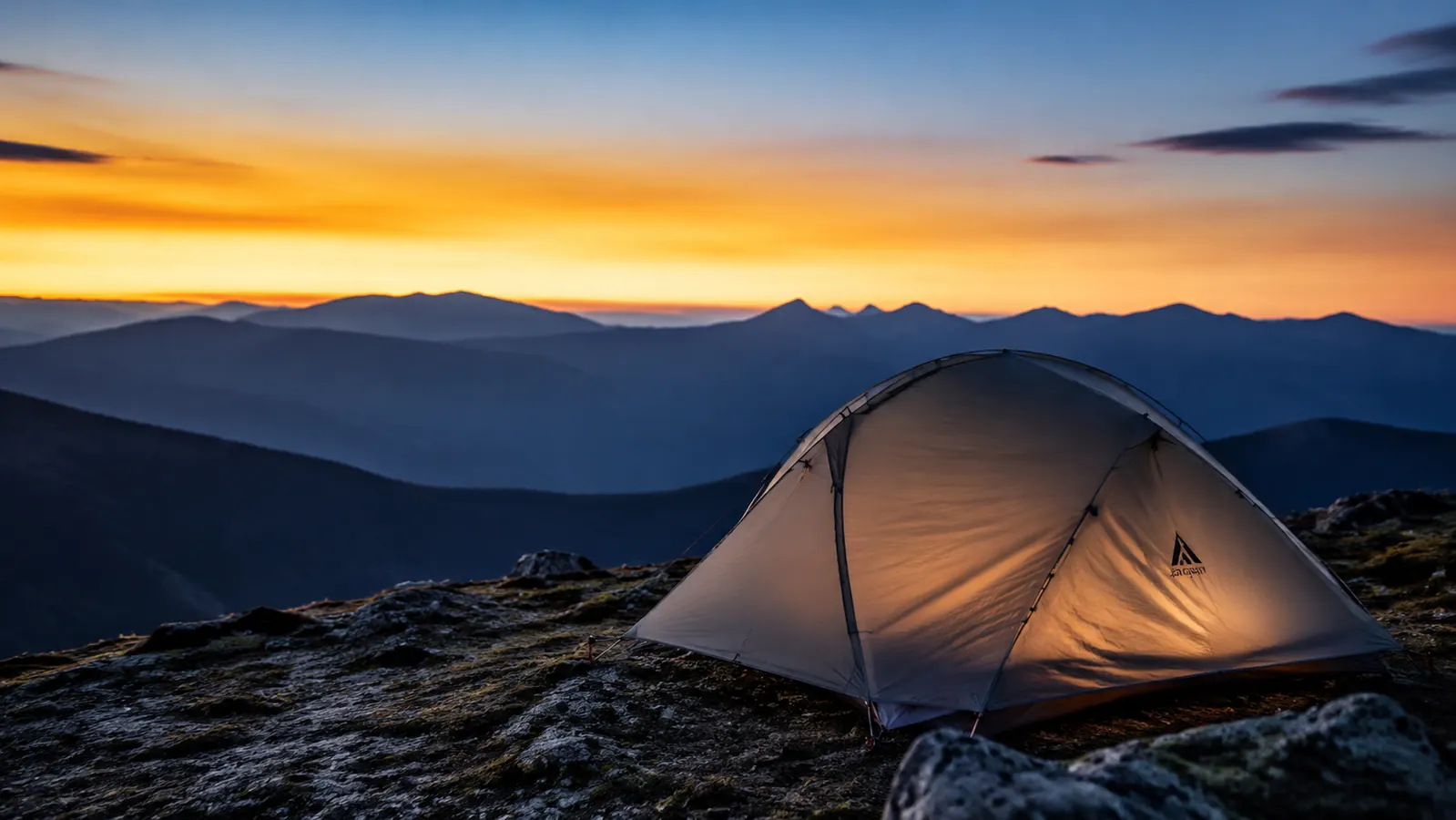
I bought this tent expecting it to last a season. A year and 14 trips later, here is what I know about what holds up, what wears first, and whether the price tag is actually a good deal.
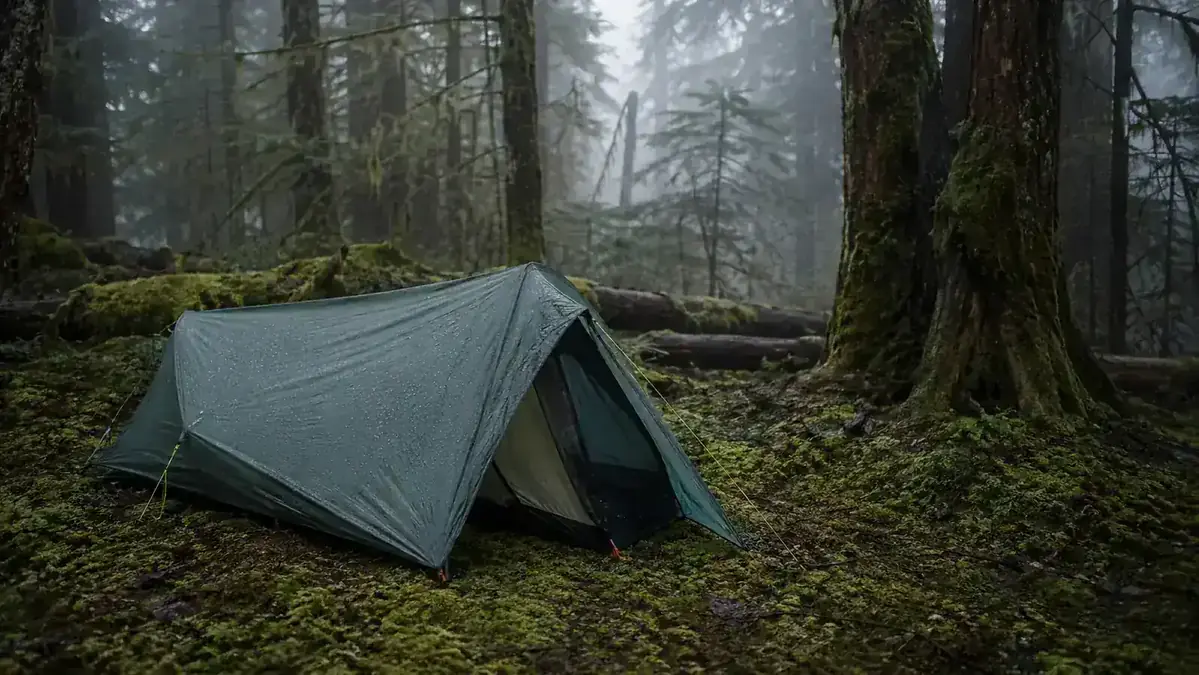
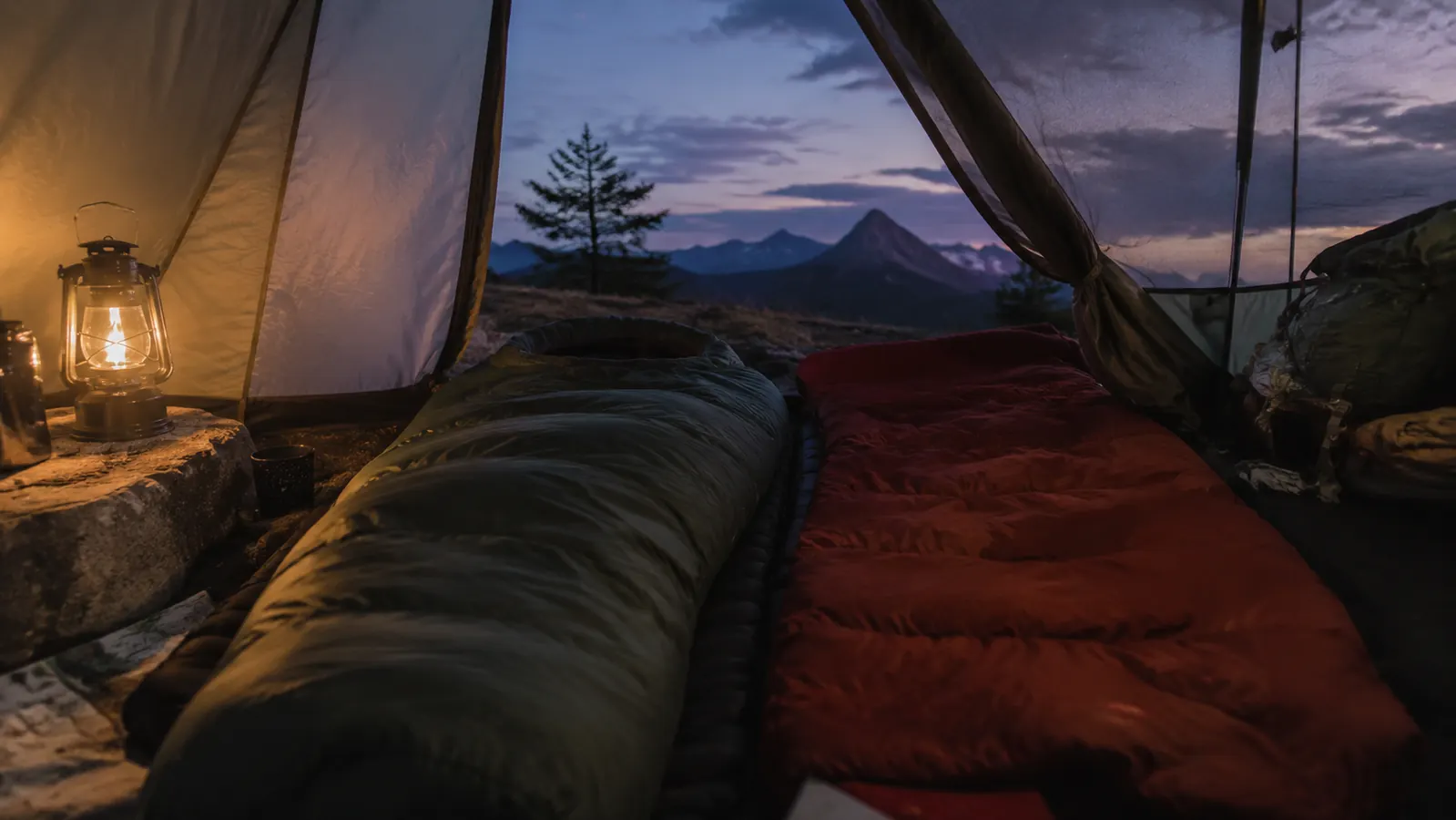
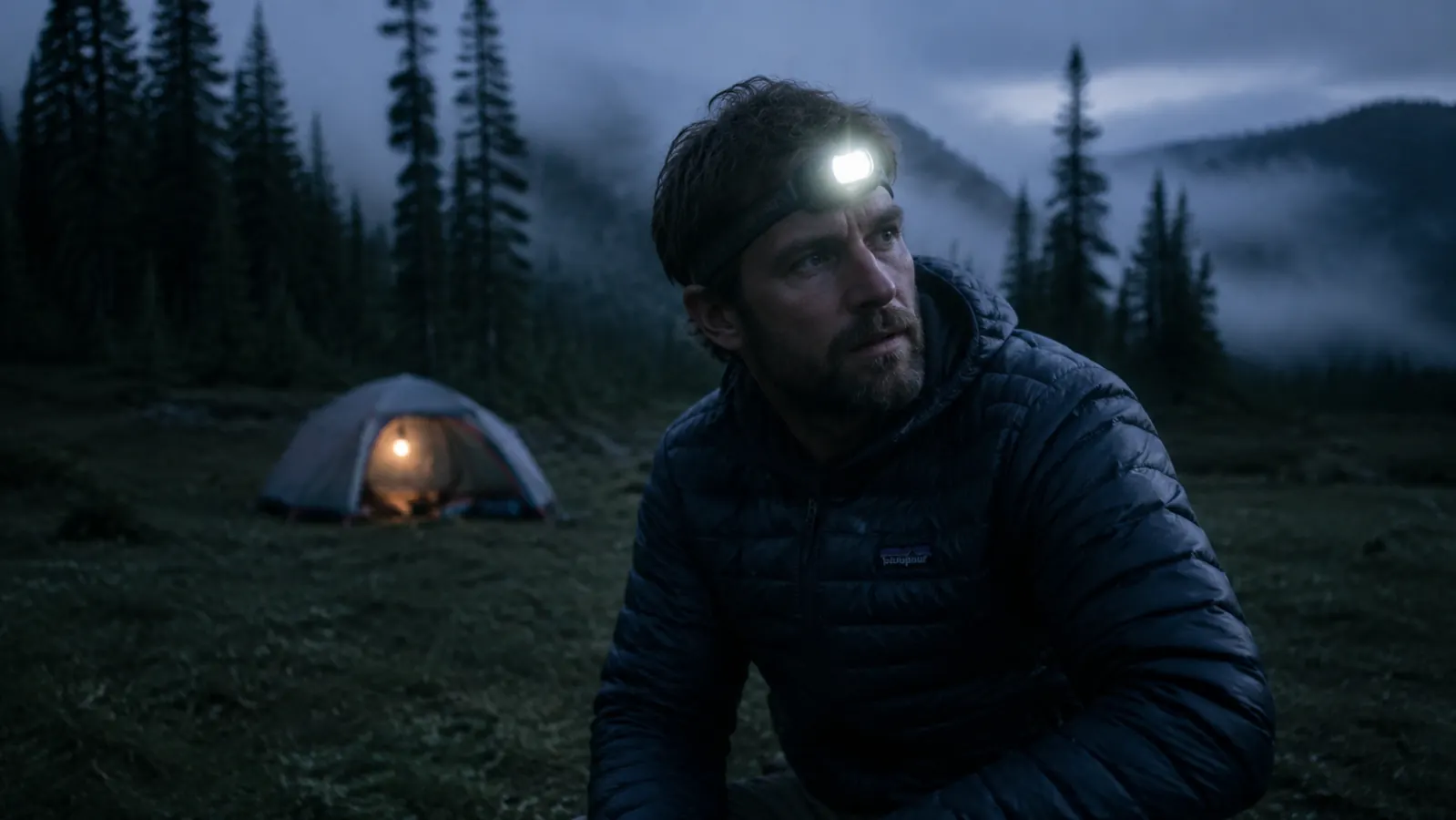
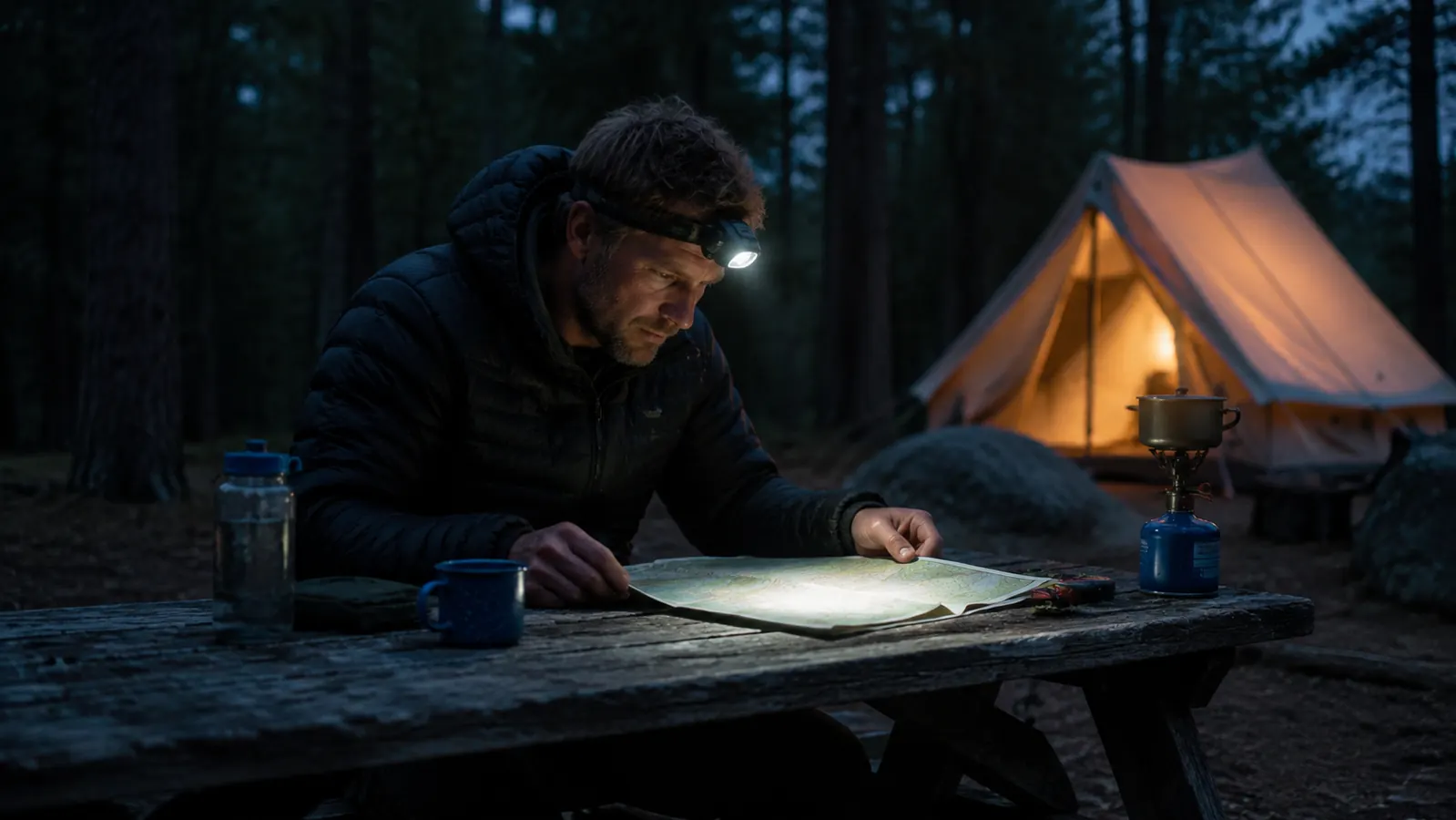
I was six miles into the Cohutta Wilderness with a brand-new budget tent and zero confidence in it. Here is what happened.
I bought this tent expecting it to last a season. A year and 14 trips later, here is what I know about what holds up, what wears first, and whether the price tag is actually a good deal.
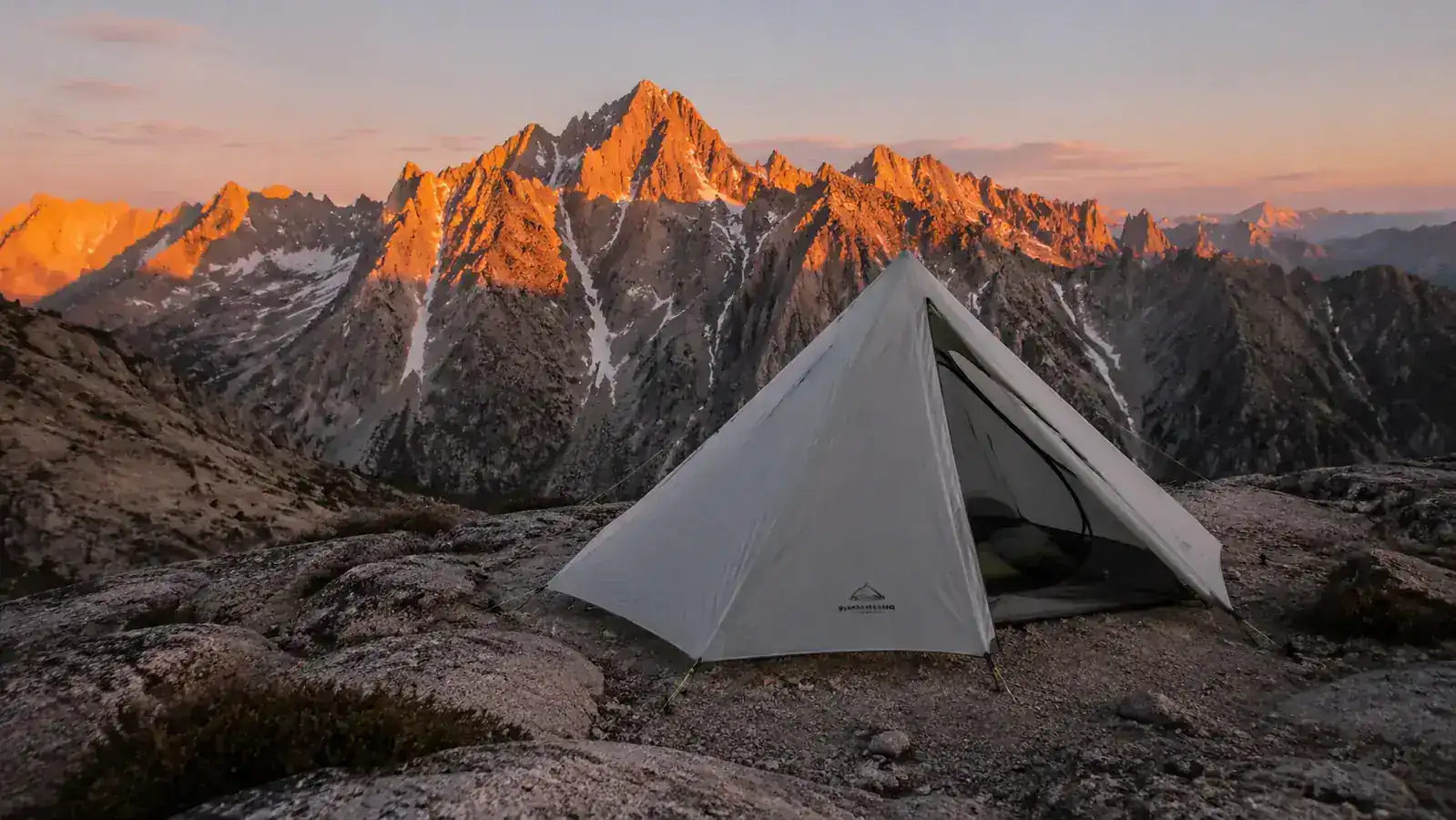
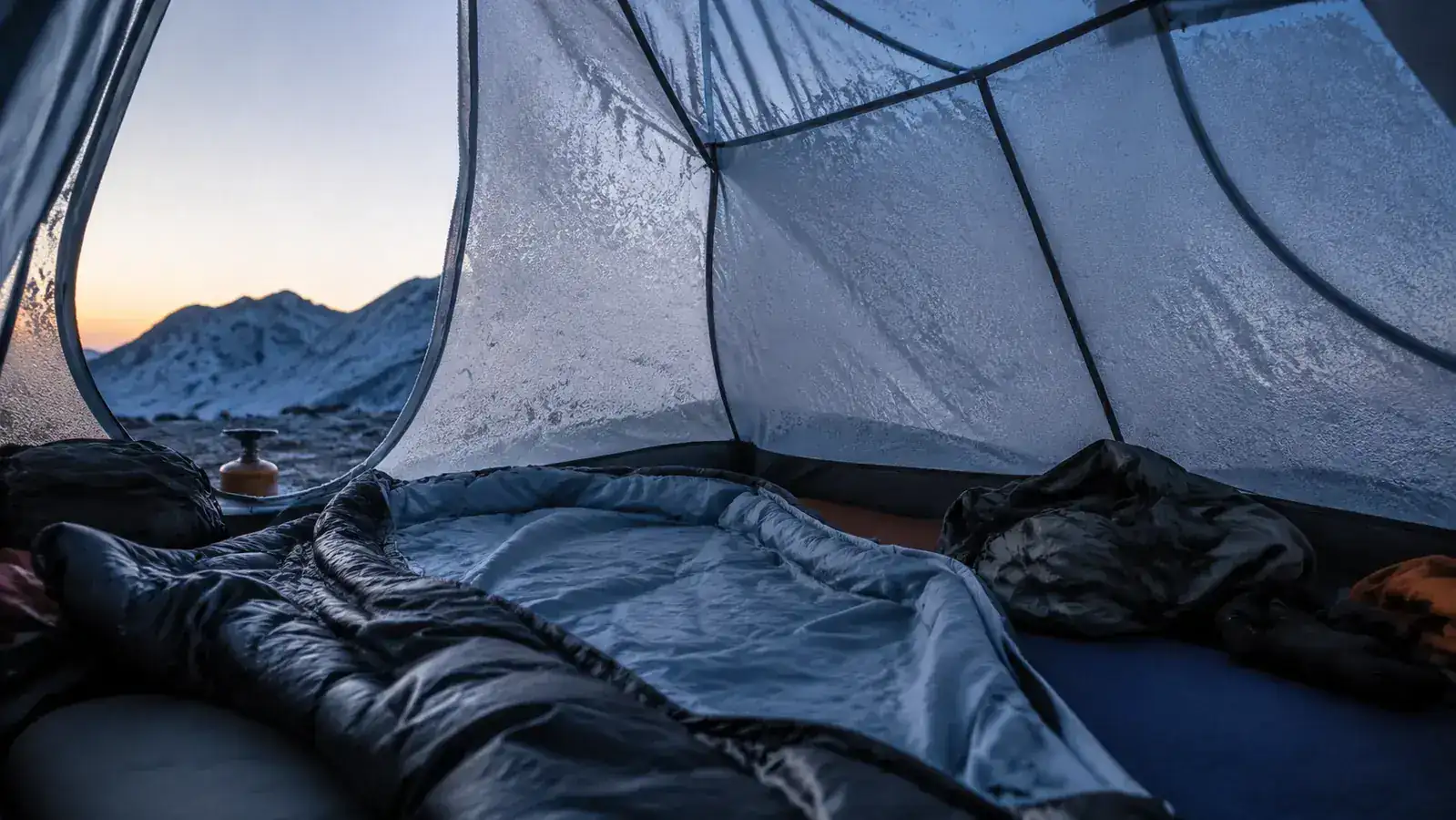
Every reviewer tells you how light it is. Nobody tells you about the pole-threading learning curve, the vestibule drain quirk, or what happens when you first open the zipper at 6 a.m. in 38-degree rain. That is what this review covers.
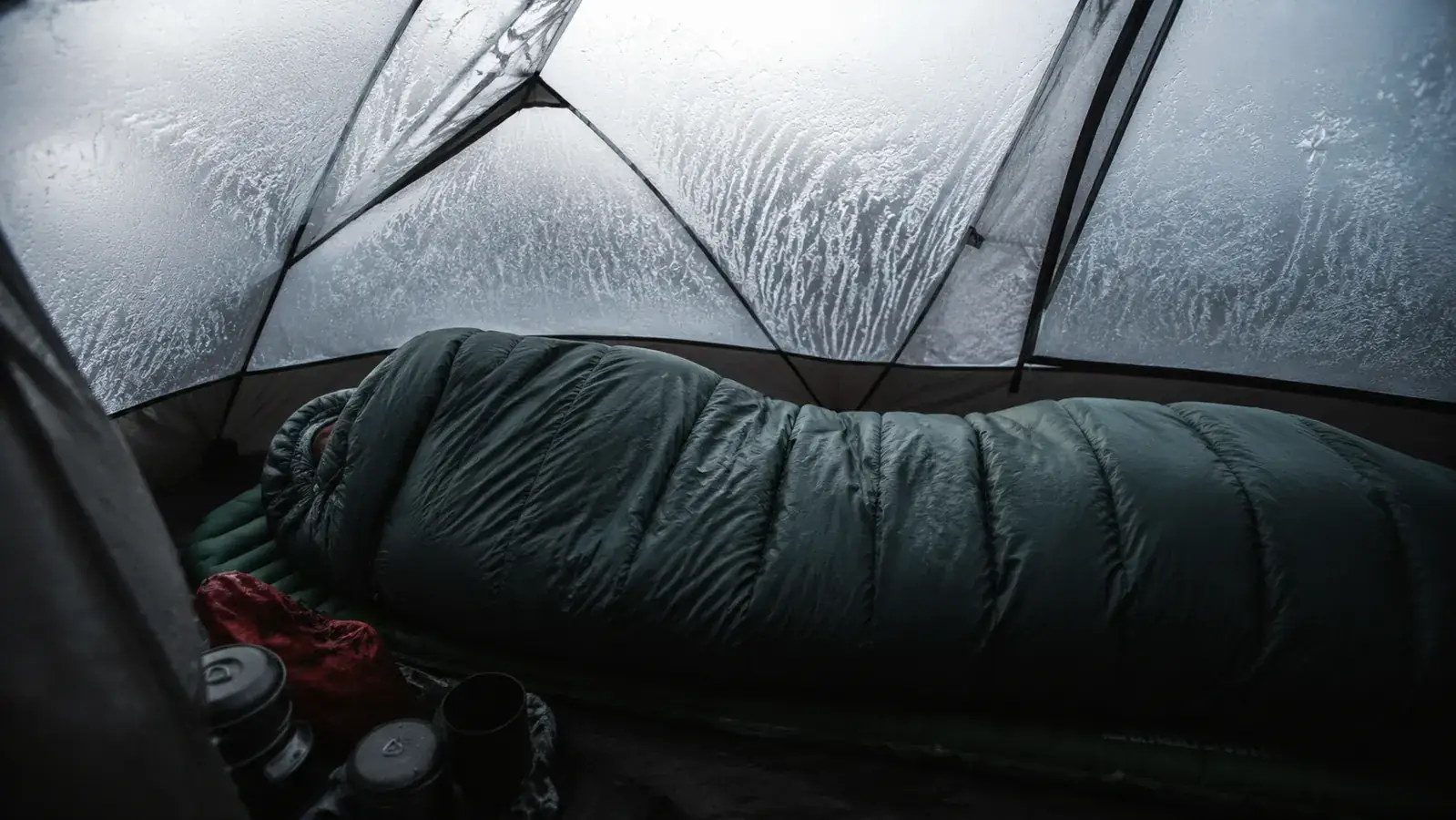
You can eat a cold dinner and hike in wet boots. You cannot sleep through a 40-degree night in a tent that lets in rain. Here is why the shelter decision outweighs every other piece of kit in your pack.
One tent is budget-friendly. The other runs premium. Both are freestanding, double-wall, sub-three-pound shelters. The question is not which one is better built. It is whether the gap in quality is worth three times the money for the hiker you actually are.
I was six miles into the Cohutta Wilderness with a brand-new budget tent and zero confidence in it. Here is what happened.
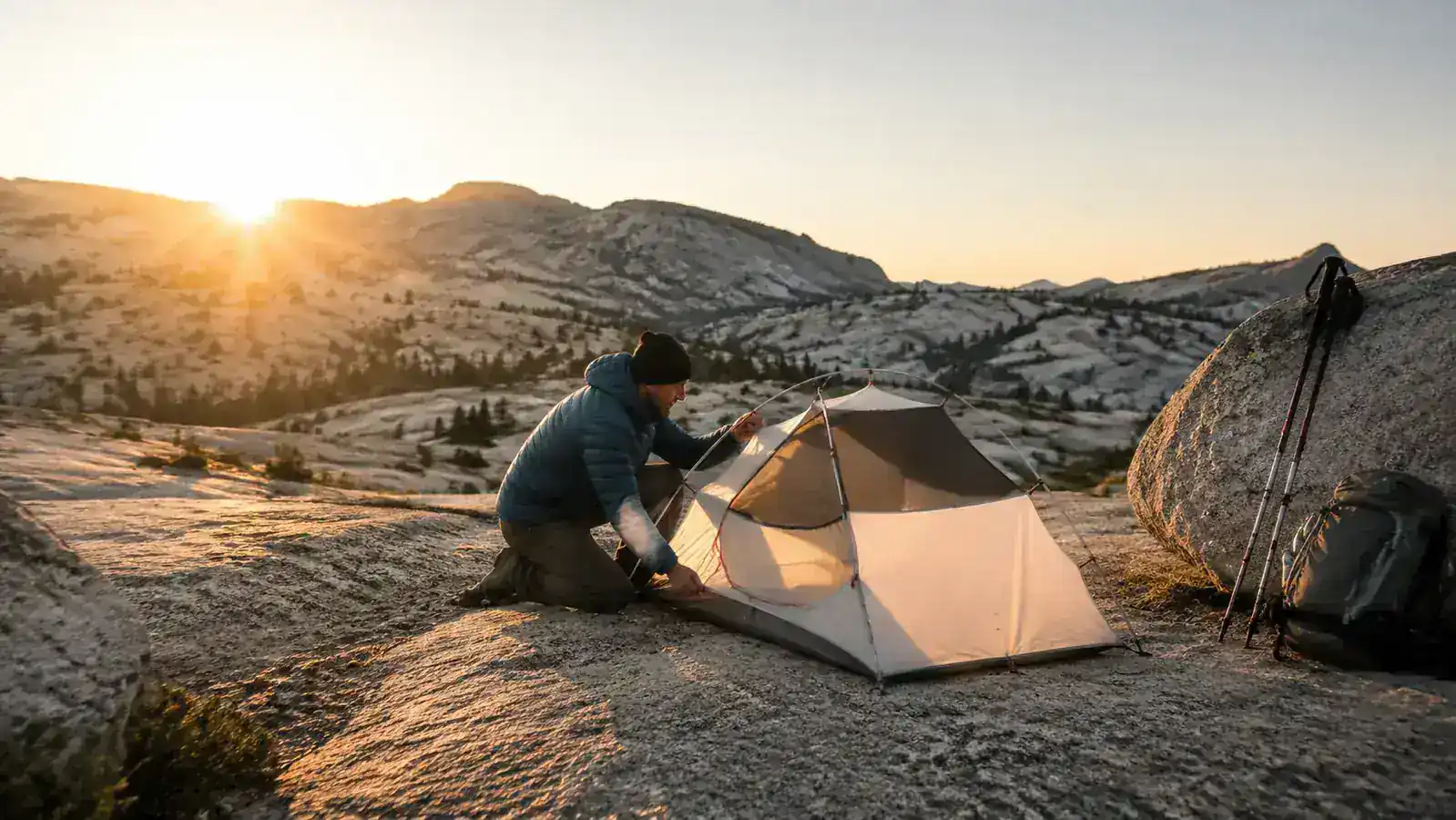
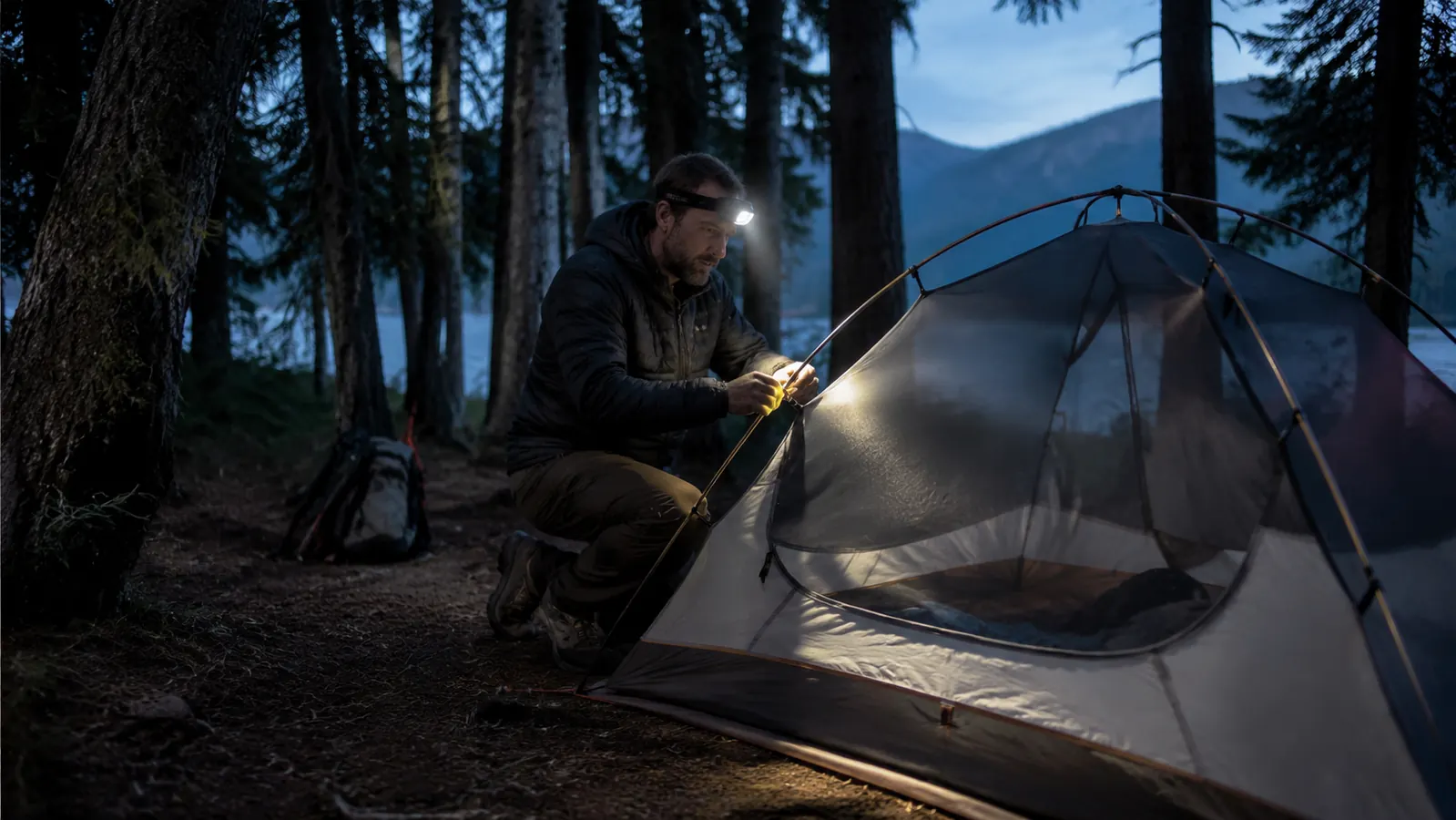
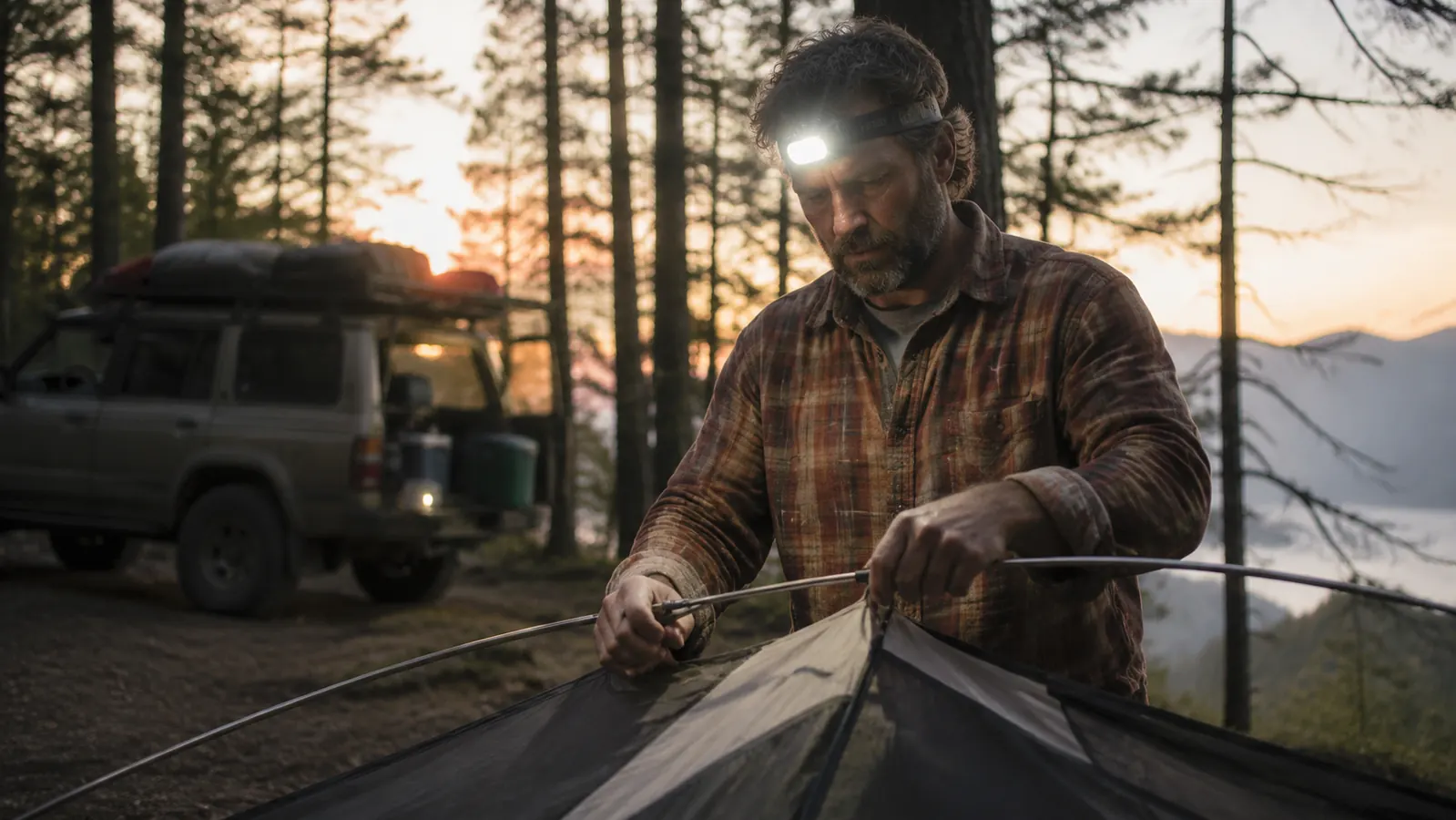
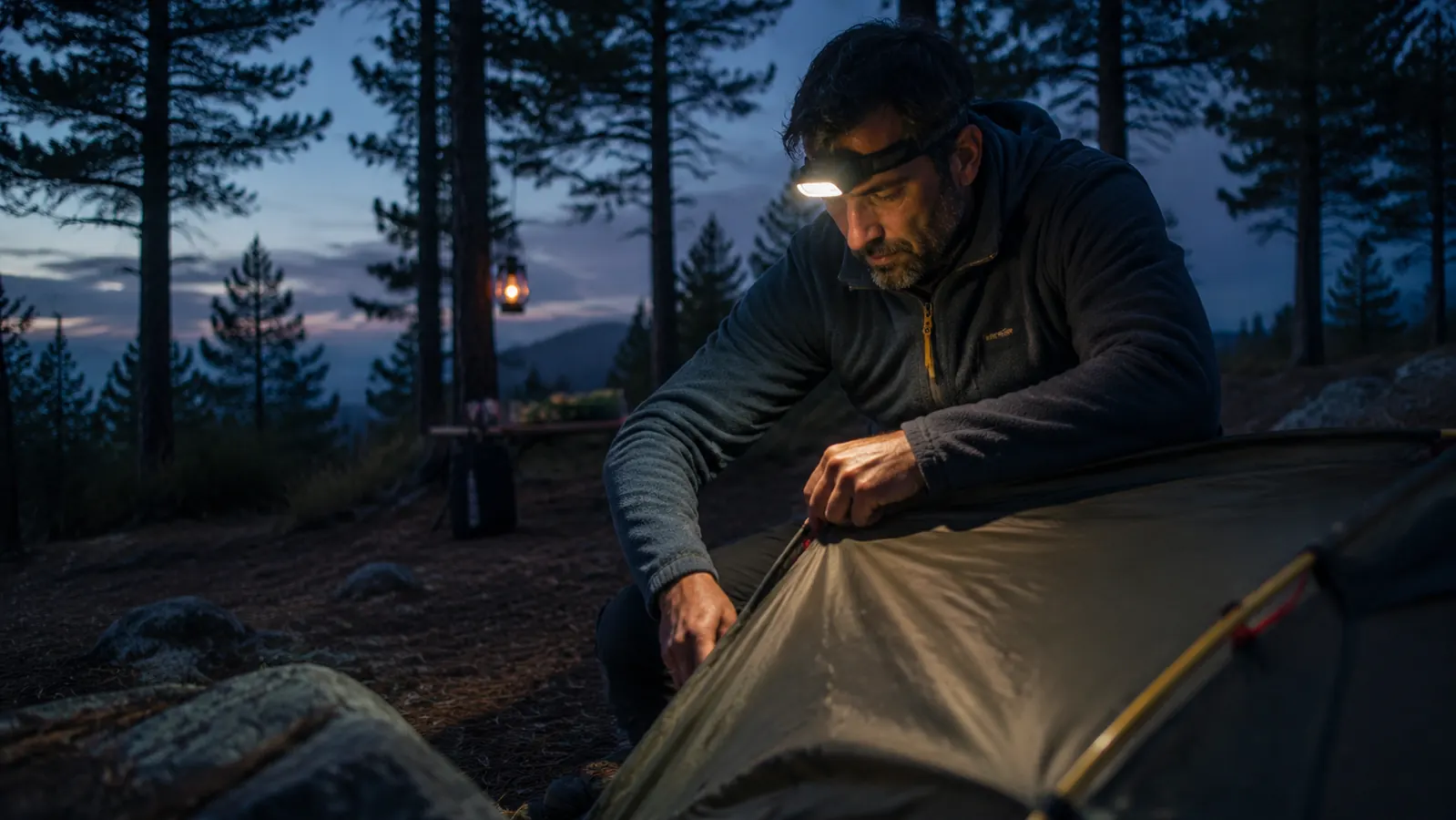
A gear-tester's step-by-step method for pitching a freestanding backpacking tent quickly, solo, in any conditions, with notes on the Naturehike Cloud-Up as the reference tent.
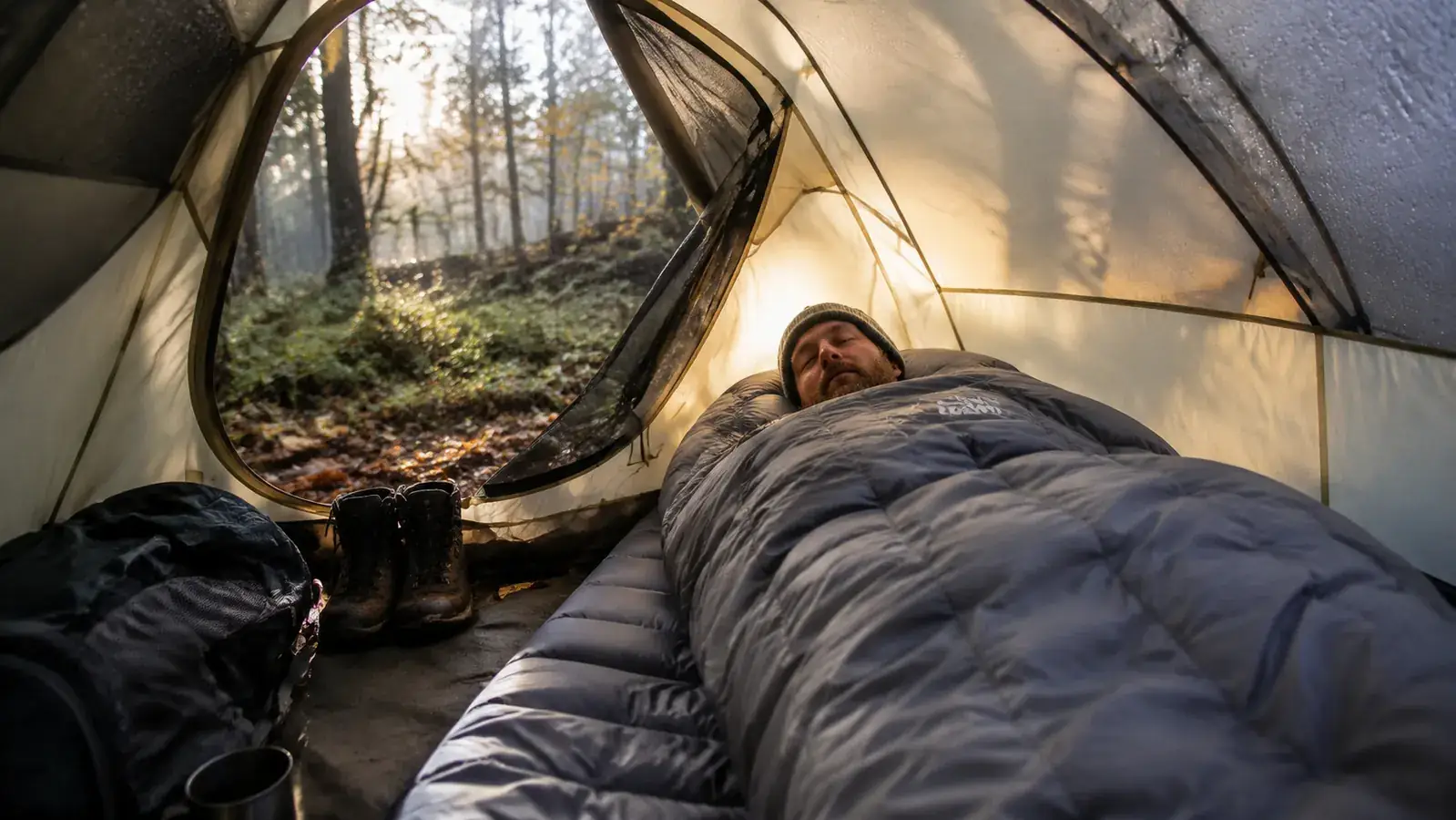
I've slept in this bag on 30-degree October nights, 18-degree November car-camping trips, and a miserable wet weekend in the Blue Ridge where nothing stayed dry. Here is what three seasons taught me.
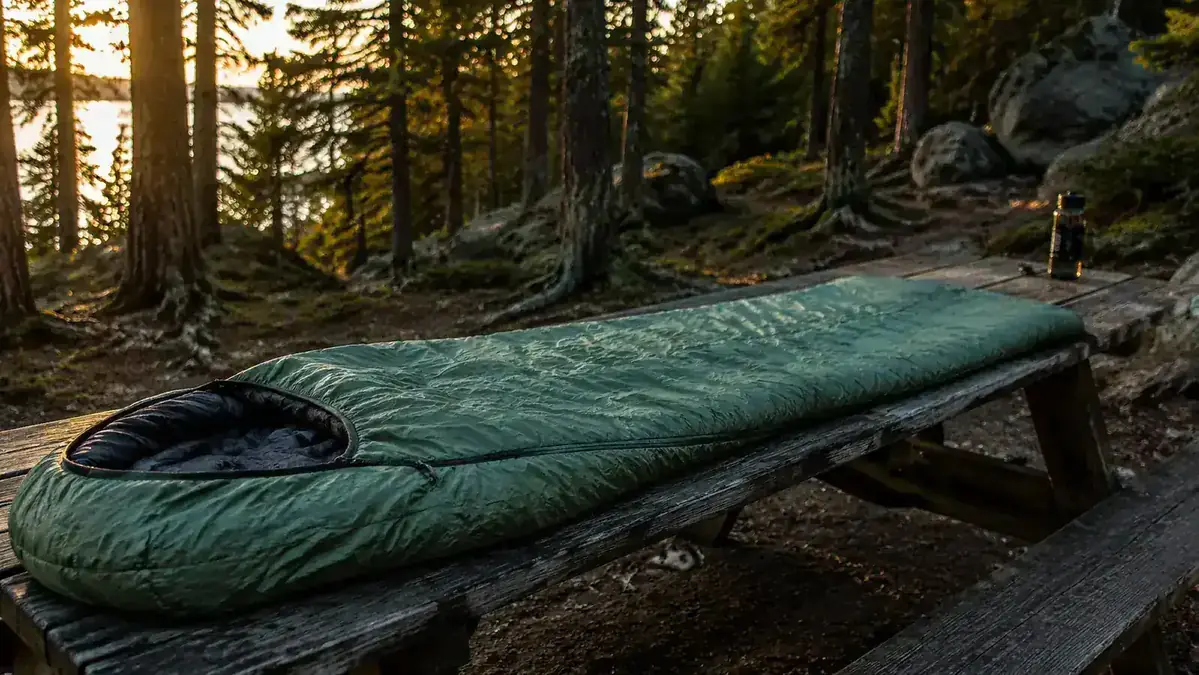
Before you buy this sleeping bag based on a four-star average, read the complaints buried in page two of the reviews. I did. Then I bought one anyway and slept in it for two camping seasons to figure out which complaints are real.
You probably started with a rectangular bag. Here is why most serious campers eventually make the switch, and what the Teton Sports Celsius 20F has to do with it.
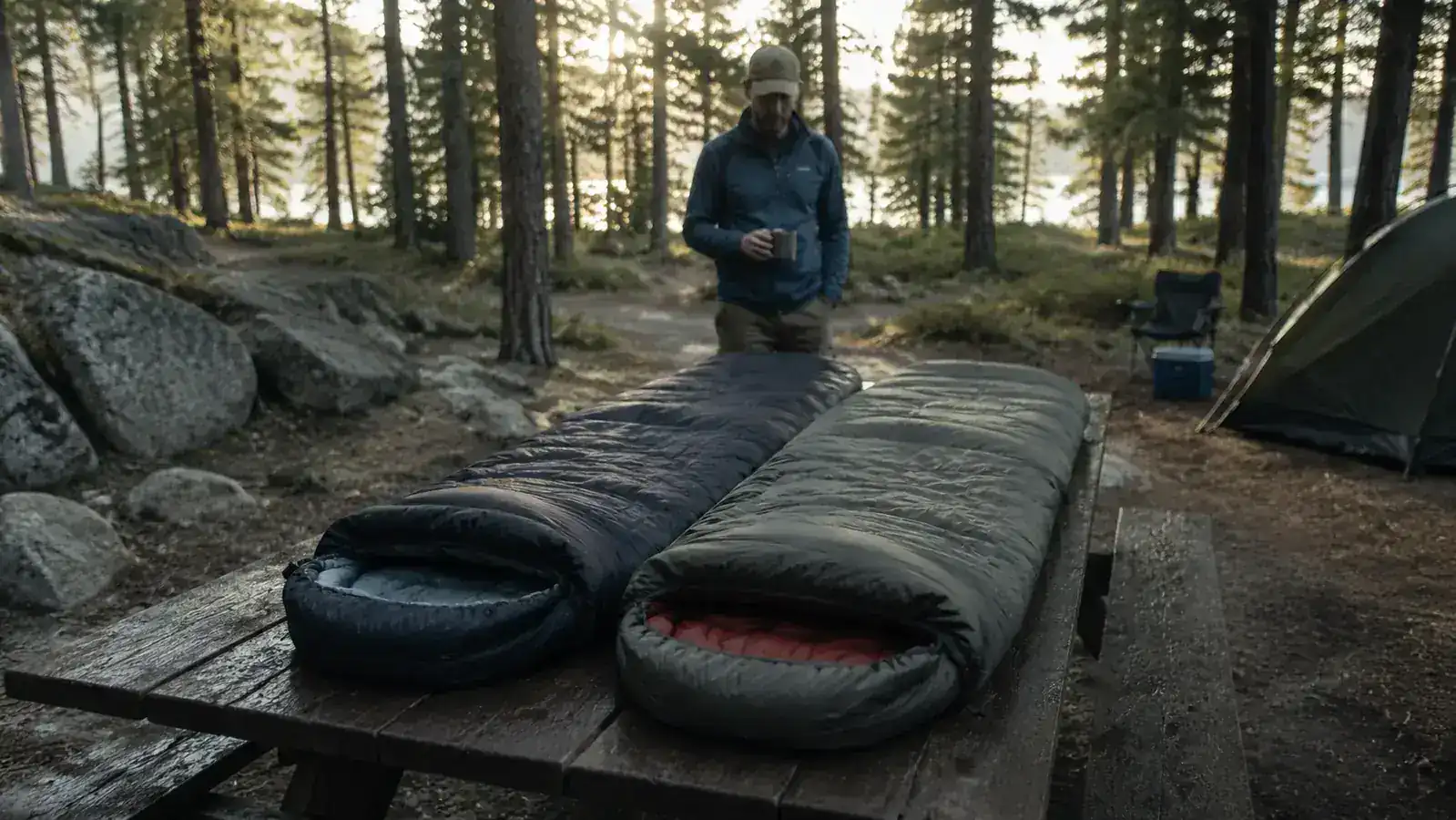
Both bags claim a 20-degree rating and both are affordable. Here is what separates them after a season of actual use.
A cold night, a useless bag, and the gear swap that actually fixed the problem.
You do not need expensive gear to sleep warm at 25 degrees. You need the right system, built in the right order. Here is exactly how to do it.
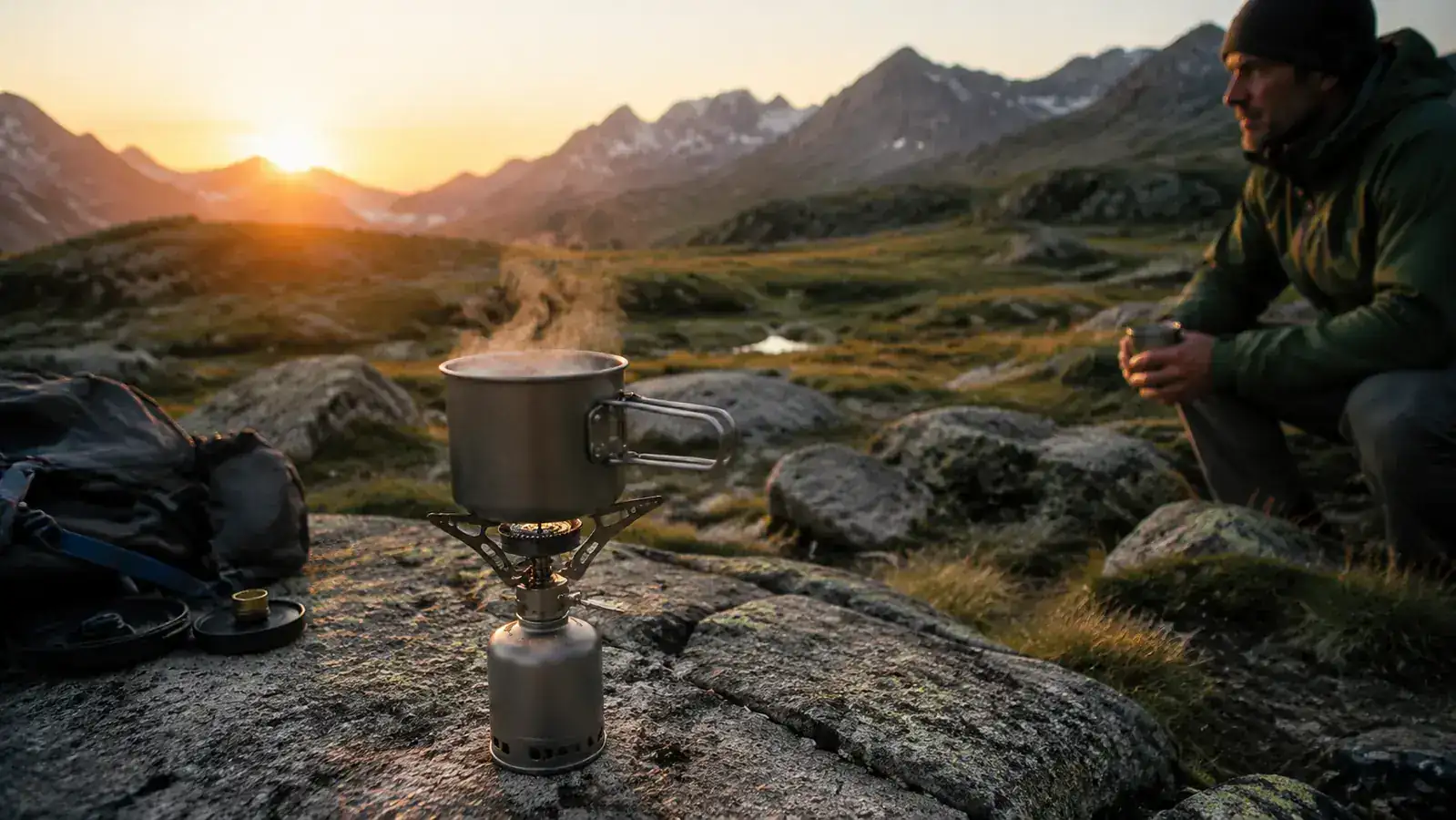
I ran the BRS-3000T through five months of trips, from warm-weather car camping to an early-October solo in the Cascades. Here is what held up, what didn't, and whether 26 grams is too light for its own good.
Twenty-six grams. That number convinced me to order one. Here is what six months of trail cooking actually looked like, including the parts that surprised me.
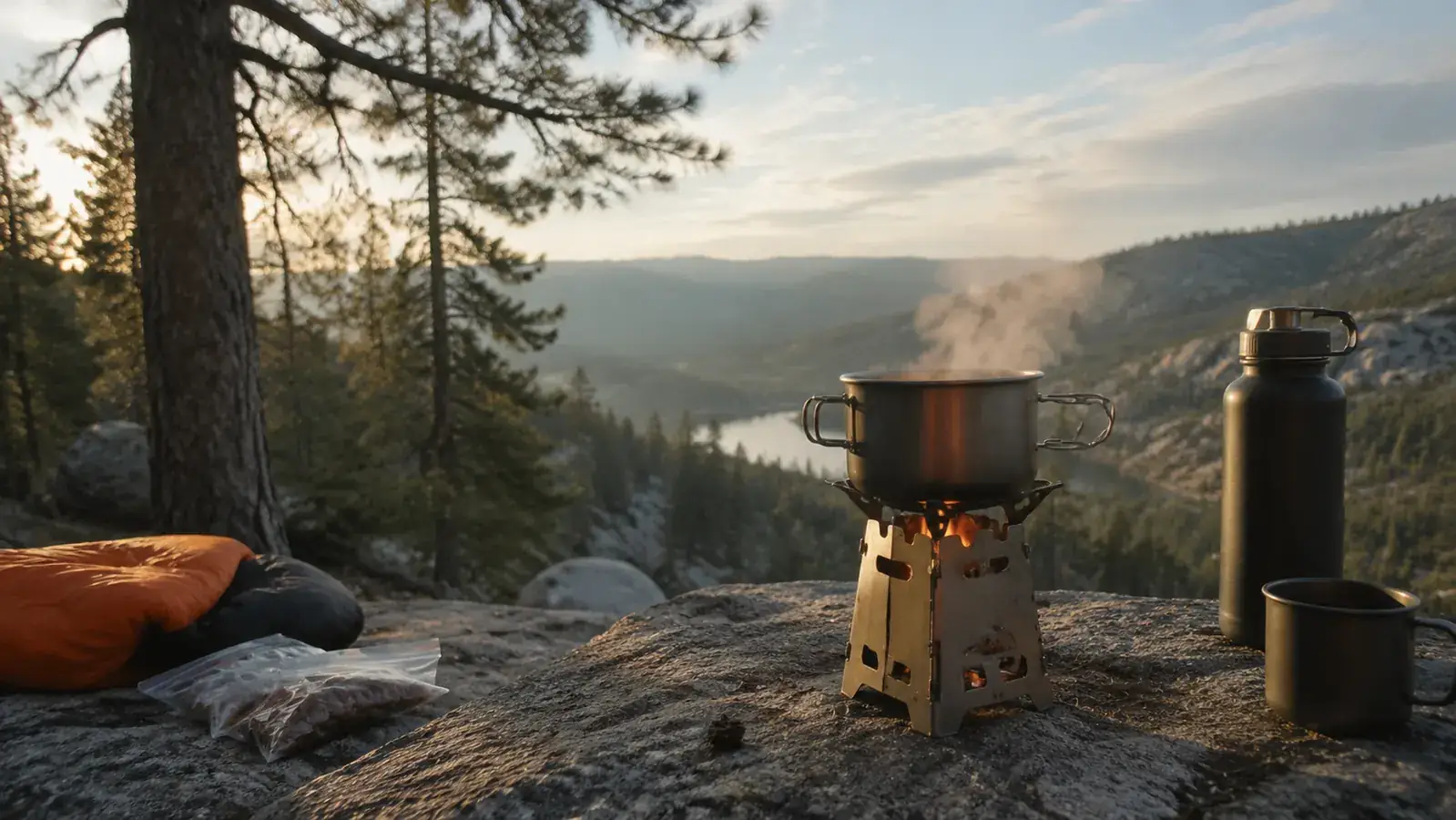
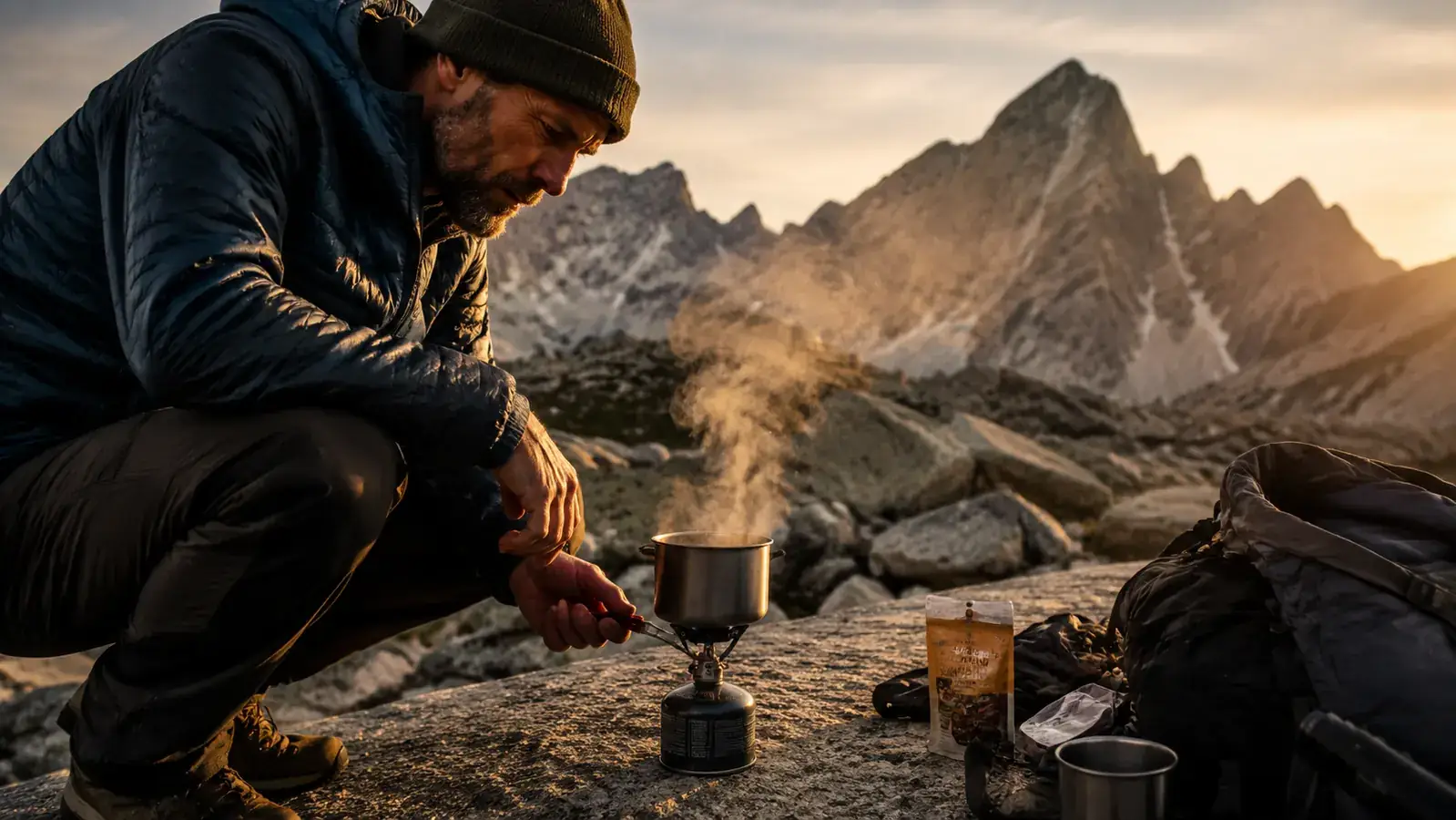
Hot coffee at 9,000 feet. Ramen in 4 minutes. Emergency warmth when the temperature drops at midnight. Here is what a 26-gram titanium stove actually does for your time on the trail.
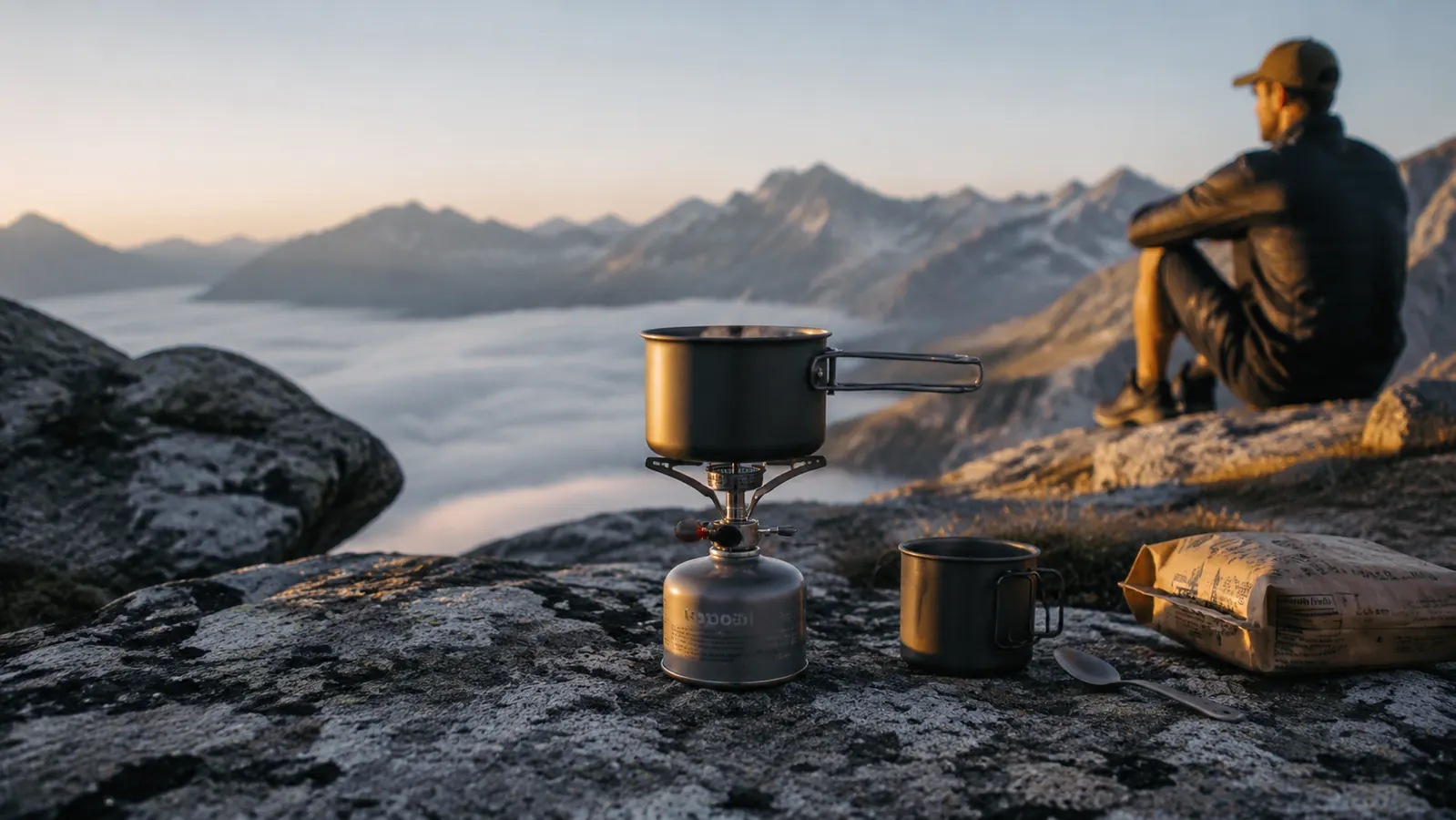
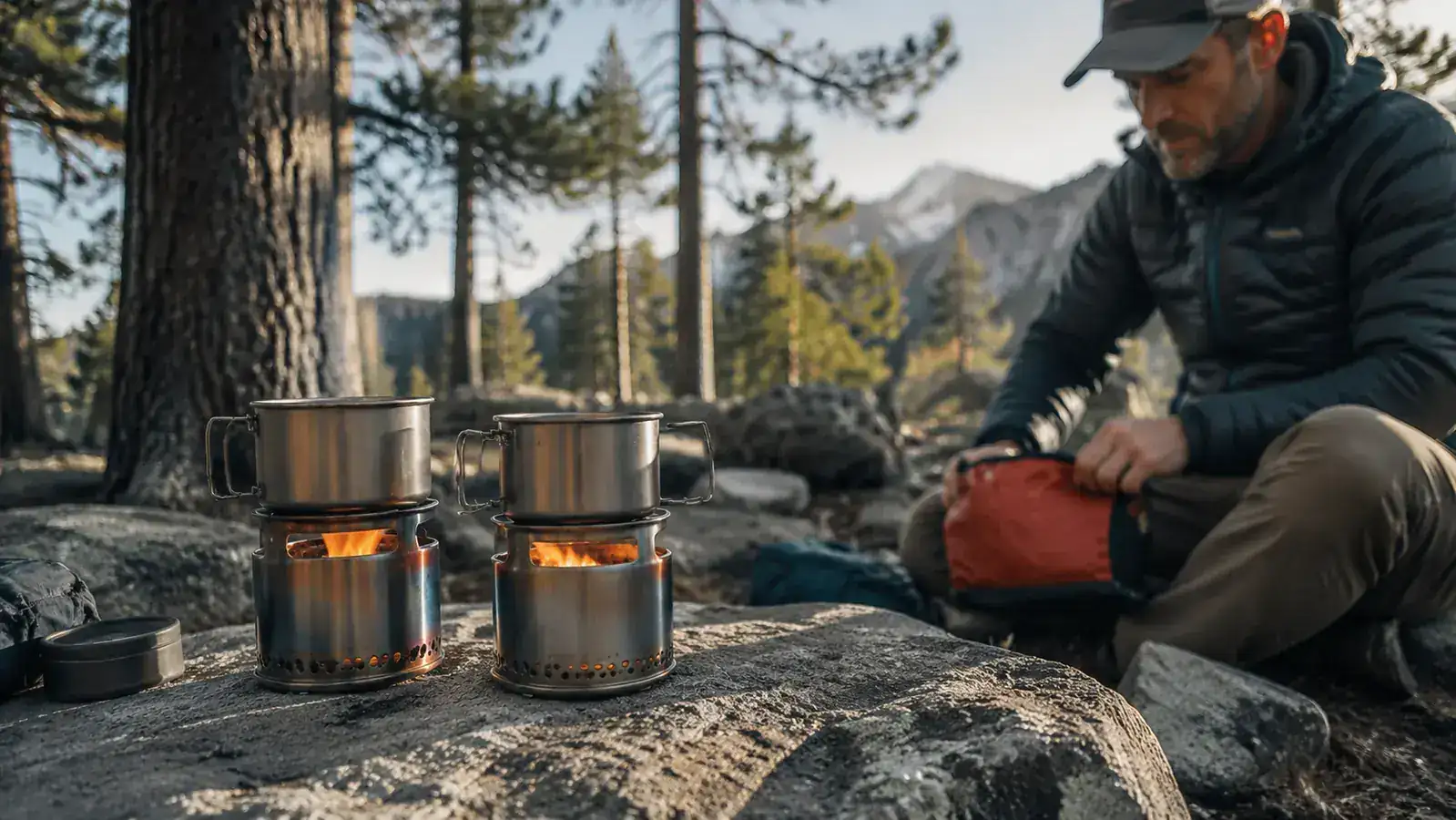
Both are top-mounted canister stoves. Both boil water in under four minutes. The BRS-3000T is the budget option. The MSR Pocket Rocket 2 costs more. Here is what that price difference actually buys you, based on field time with both.
For two years I ate cold breakfasts on the trail because I thought carrying a stove meant carrying weight. I was wrong by about 26 grams.
From stove selection to Leave No Trace cleanup, a field-tested system for eating well on the trail without adding two pounds to your pack.
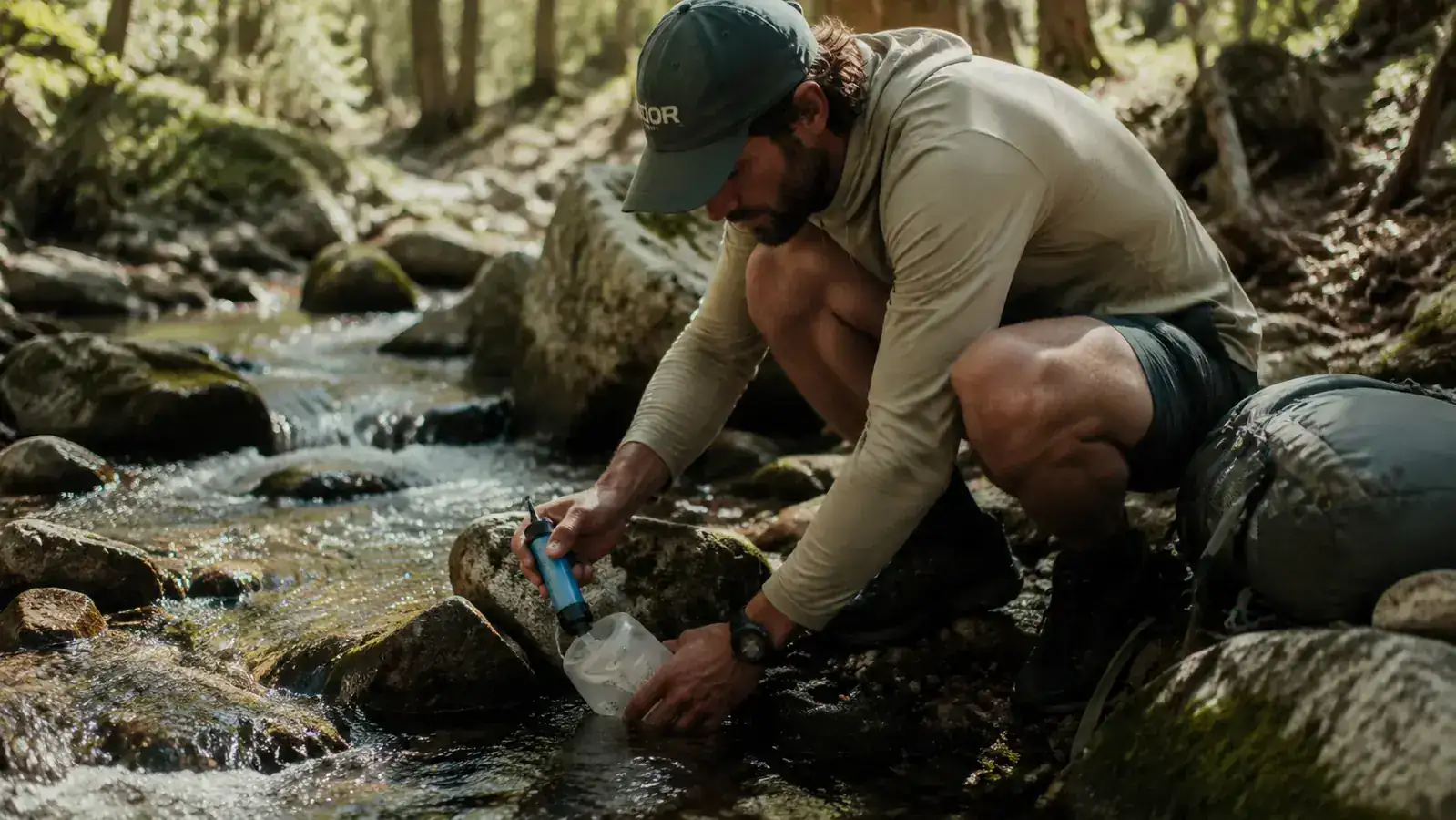
I have been filtering backcountry water with the Sawyer Mini for three years across 22 trips. Here is what holds up, what degrades, and what nobody warns you about until it ruins your morning.
Cal unpacks the things the Amazon listing will not tell you: why the flow rate deteriorates, what actually damages the membrane, and who should carry a different filter entirely.
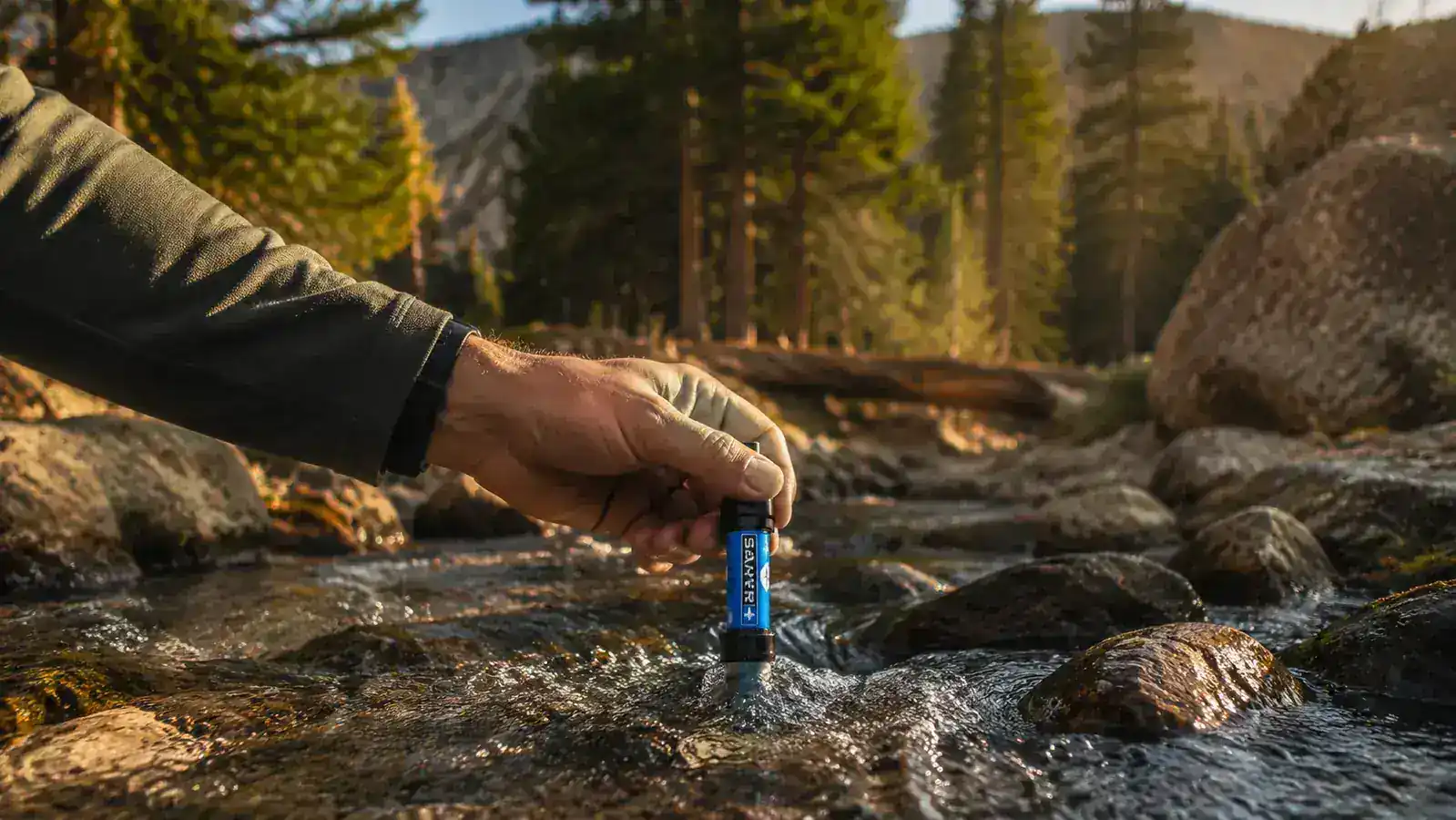
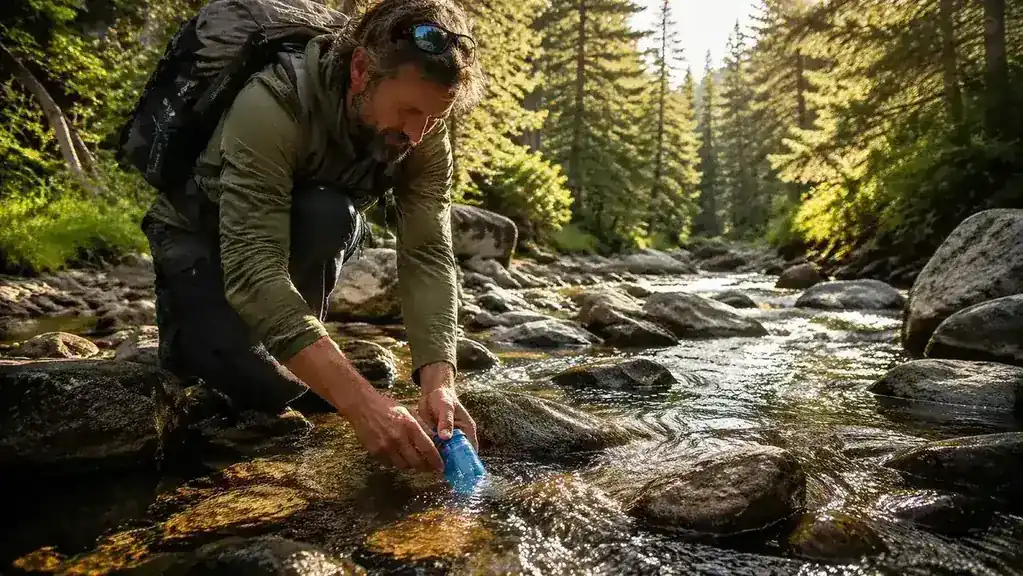
It weighs 2 ounces, costs less than a tank of gas, and can filter 100,000 gallons. Here is why the Sawyer Mini is the one piece of gear I never leave at home.
Both weigh about two ounces, both filter to 0.1 microns, and both are budget-friendly. But they work completely differently in the field, and that difference matters a lot depending on how you camp.
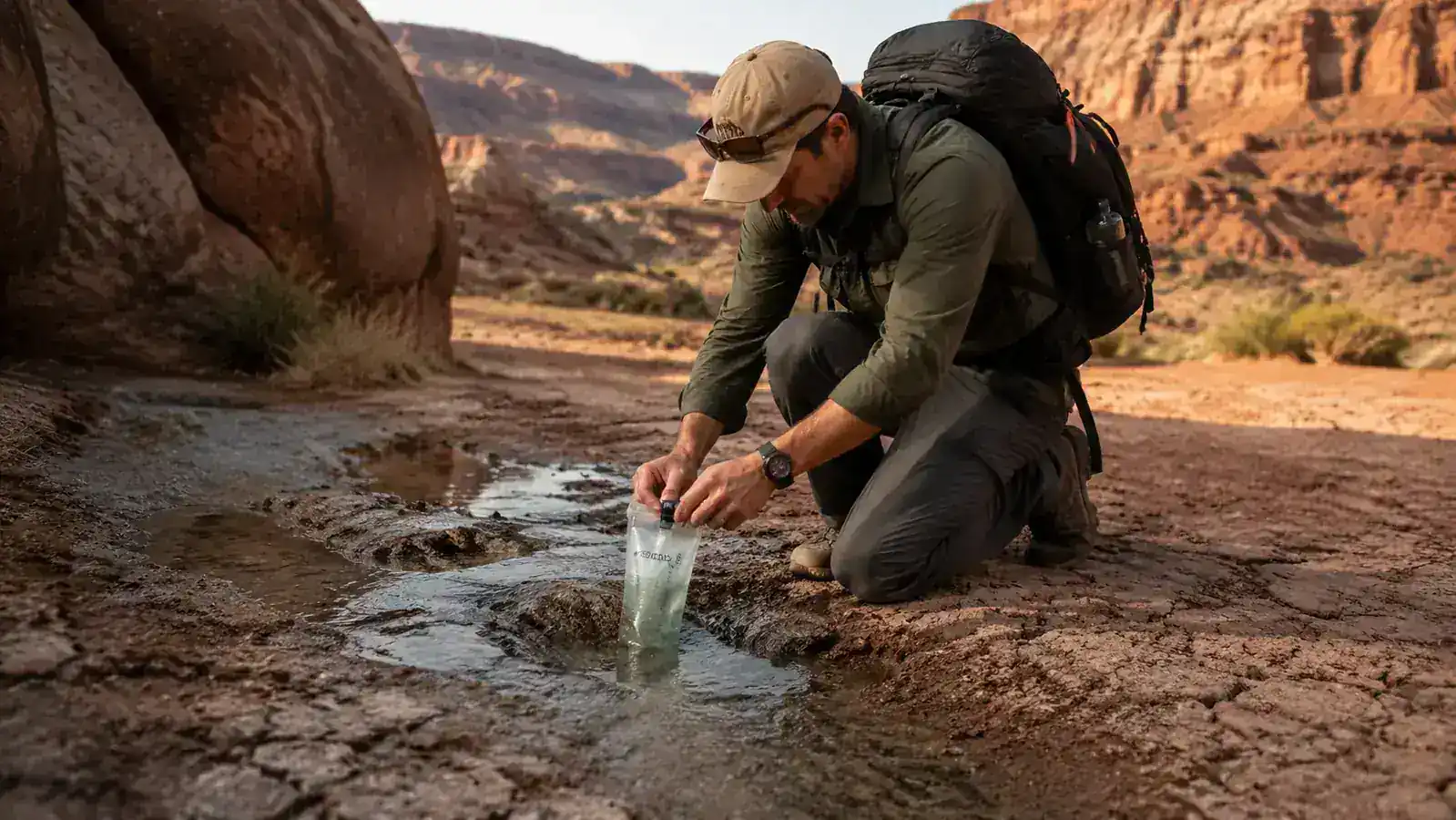
A first-person account from a desert trail in southern Utah, where the only thing between a ruined trip and a safe camp was a filter the size of a travel shampoo bottle.
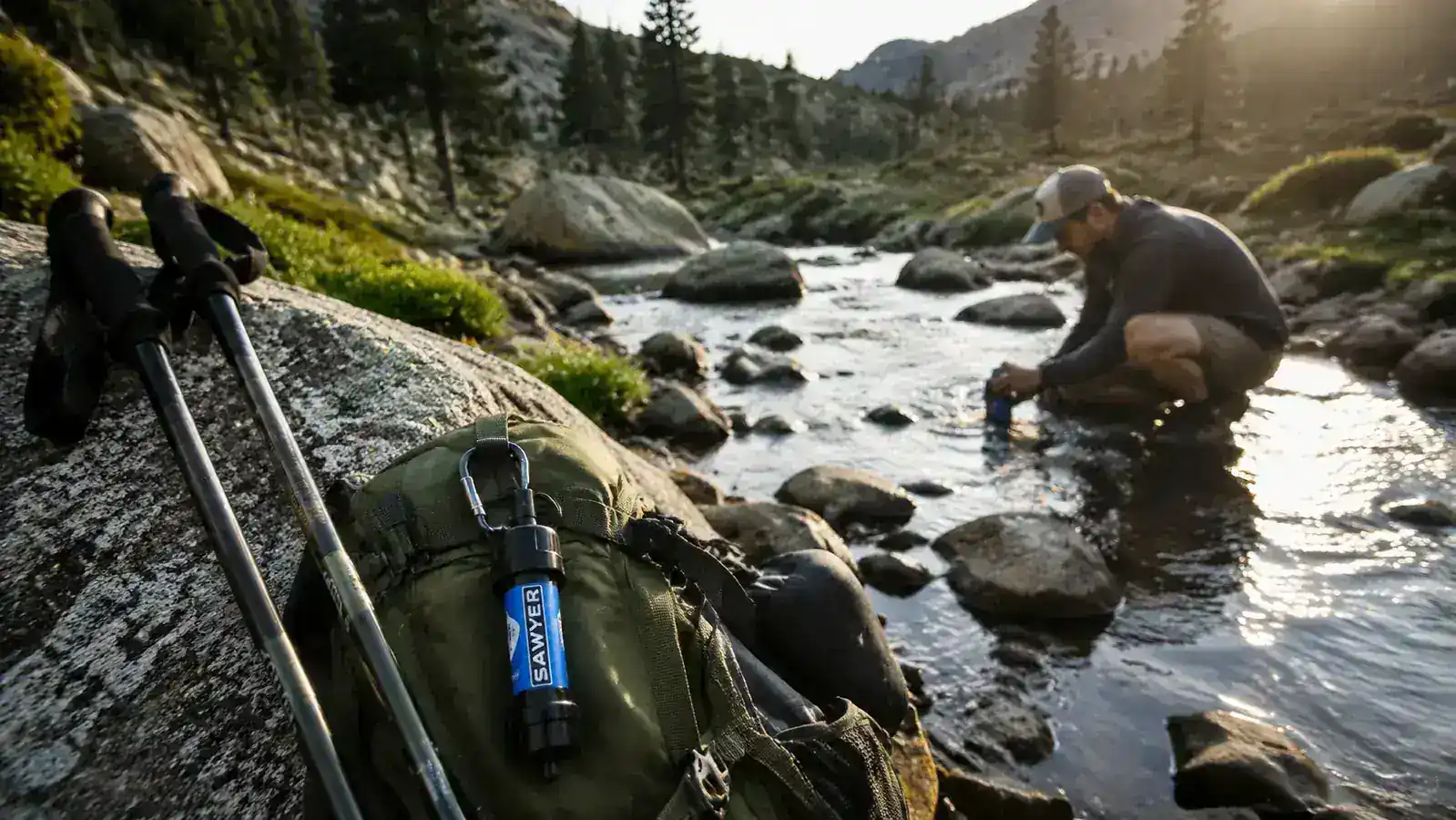
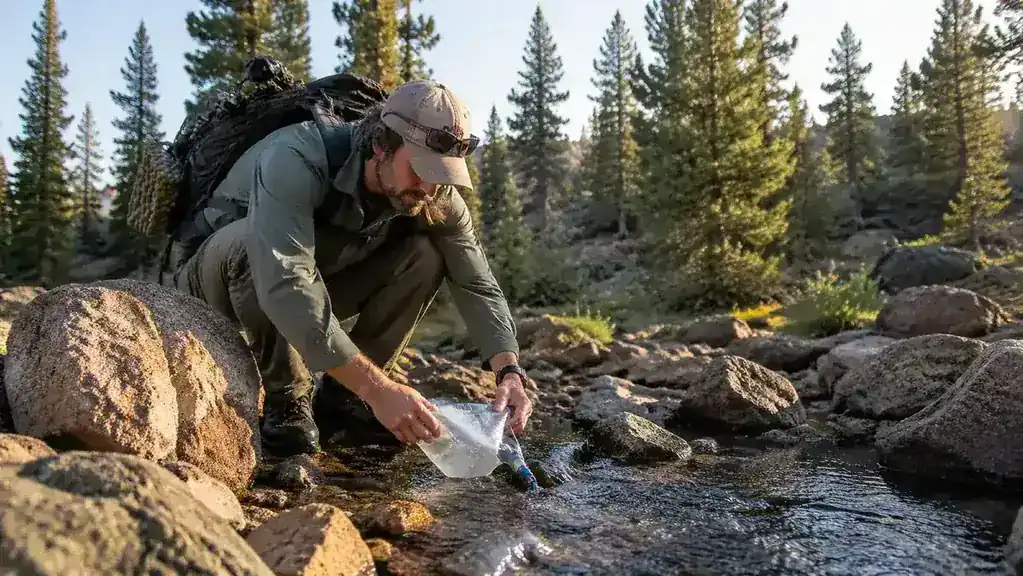
Giardia is in every mountain stream you think is clean. Here is exactly how to collect, filter, and store safe drinking water using the Sawyer Mini, from sourcing strategy to backflushing technique.
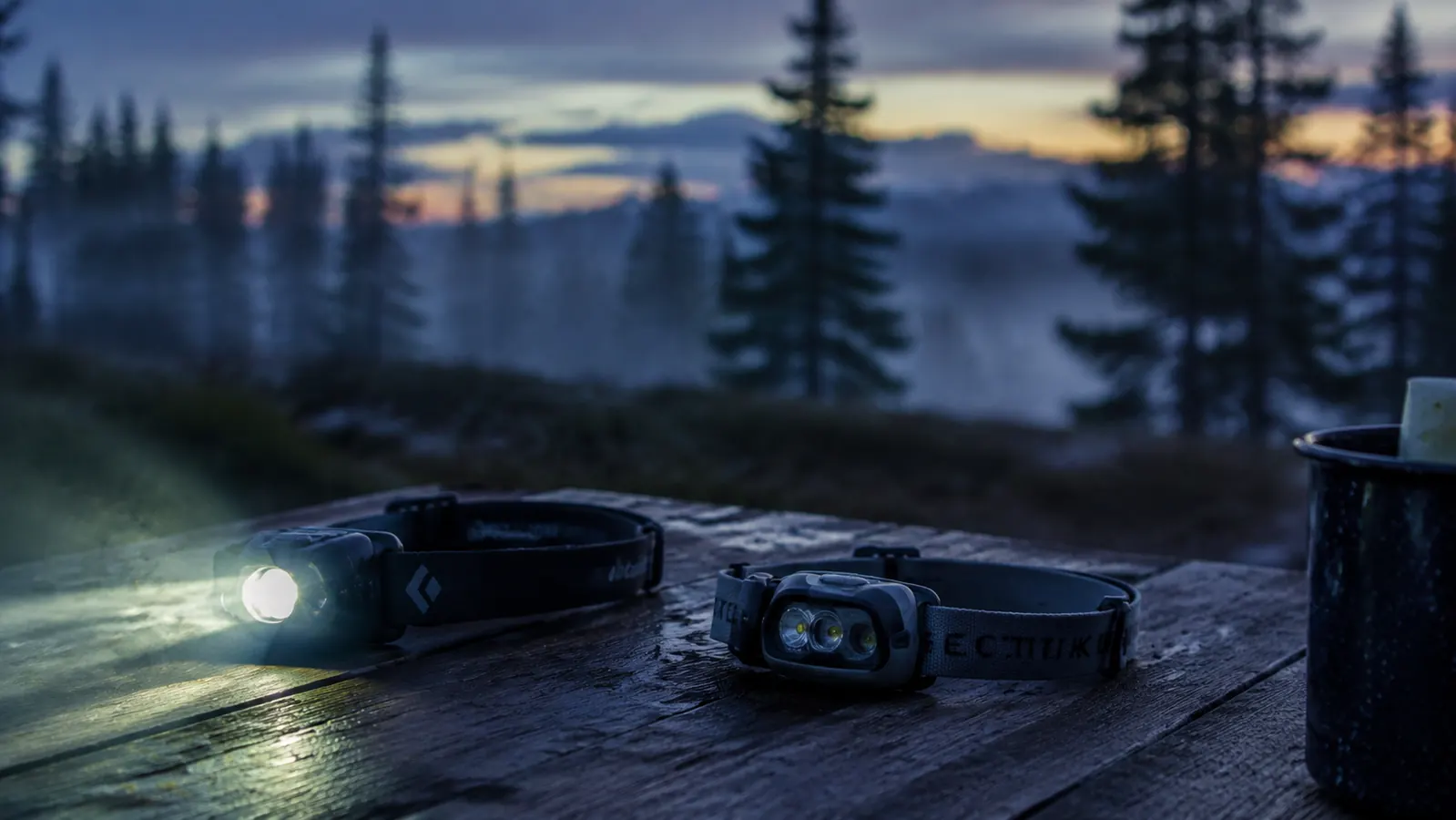
I put two of these USB-rechargeable headlamps through a full camping season. Here is what held up, what annoyed me, and whether a budget light can earn a permanent spot in your pack.
Ten thousand buyers can't all be wrong, but they might be leaving out the parts that matter. Here's the version with the inconvenient details included.
I stopped packing spare AAA batteries two years ago. Here is what changed after I made the switch, and why the LHKNL 2-pack is the one I hand to every new camper I know.
Two headlamps, very different prices, a lot of overlap in real-world performance. Here is the honest breakdown from someone who has run both on the same trails.
I thought the lighting situation in my camp kit was fine. It was not fine.
Cal walks you through every spec that matters when buying a camping headlamp, from lumens and beam distance to battery type, red-light mode, and water resistance. One clear pick at the end.
I bought this tent expecting it to last a season. A year and 14 trips later, here is what I know about what holds up, what wears first, and whether the price tag is actually a good deal.
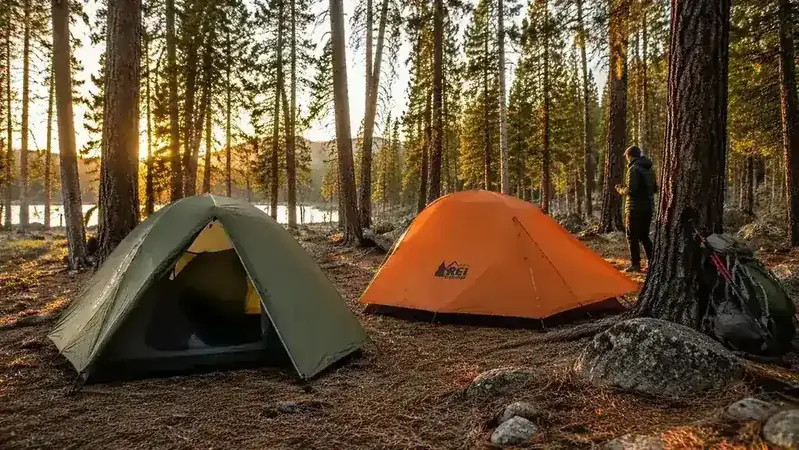
Every reviewer tells you how light it is. Nobody tells you about the pole-threading learning curve, the vestibule drain quirk, or what happens when you first open the zipper at 6 a.m. in 38-degree rain. That is what this review covers.
I've slept in this bag on 30-degree October nights, 18-degree November car-camping trips, and a miserable wet weekend in the Blue Ridge where nothing stayed dry. Here is what three seasons taught me.
Before you buy this sleeping bag based on a four-star average, read the complaints buried in page two of the reviews. I did. Then I bought one anyway and slept in it for two camping seasons to figure out which complaints are real.
I ran the BRS-3000T through five months of trips, from warm-weather car camping to an early-October solo in the Cascades. Here is what held up, what didn't, and whether 26 grams is too light for its own good.
Twenty-six grams. That number convinced me to order one. Here is what six months of trail cooking actually looked like, including the parts that surprised me.
I have been filtering backcountry water with the Sawyer Mini for three years across 22 trips. Here is what holds up, what degrades, and what nobody warns you about until it ruins your morning.
Cal unpacks the things the Amazon listing will not tell you: why the flow rate deteriorates, what actually damages the membrane, and who should carry a different filter entirely.
I put two of these USB-rechargeable headlamps through a full camping season. Here is what held up, what annoyed me, and whether a budget light can earn a permanent spot in your pack.
Ten thousand buyers can't all be wrong, but they might be leaving out the parts that matter. Here's the version with the inconvenient details included.